
Are you afraid they’ll leave if you ask for what you need?
When keeping someone close means keeping your feelings to yourself, your own needs can get lost. Here’s a practical place to start listening to them again.

Written by Claire Everly 8 min read
You type “no worries” after another cancelled plan, then spend the evening feeling anything but fine.
You nearly mention it. Then you stop. Things have been good lately. Why risk upsetting them?
It’s exhausting when keeping the peace means being the person who always adjusts.
The question I’d start with is this: What did you need before you started worrying about their reaction?
Maybe reliability. An honest answer. The freedom to say you’re disappointed.
Those needs deserve your attention, too.
Why knowing the pattern isn’t enough
You can recognise your attachment patterns and still struggle to speak up when you’re afraid of the answer.
“Communicate your needs” sounds simple. But first, you need to understand what you feel and what you want to ask for.
Start by separating what happened from what you’re afraid it means. “They cancelled our plans” is an event. “I don’t matter to them” is an interpretation to examine.
Include their behaviour in that reflection. Repeated broken promises and dismissed concerns matter, too.
There is room for change. Discussing attachment styles, clinical psychologist Kendra Mathys explains:
“It’s possible to develop a secure attachment style through self-awareness and self-development.”
Give yourself somewhere to be honest
Writing gives you space to finish a thought before worrying about someone else’s reaction. A guided question gives you somewhere to begin.
How to Heal an Anxious Attachment Style is a physical journal with 150+ prompts and exercises. Its six shadow work chapters explore earlier experiences, beliefs and relationship patterns through questions you answer in your own words.
Here are three practical ways to approach that reflection.
Separate your choices from theirs
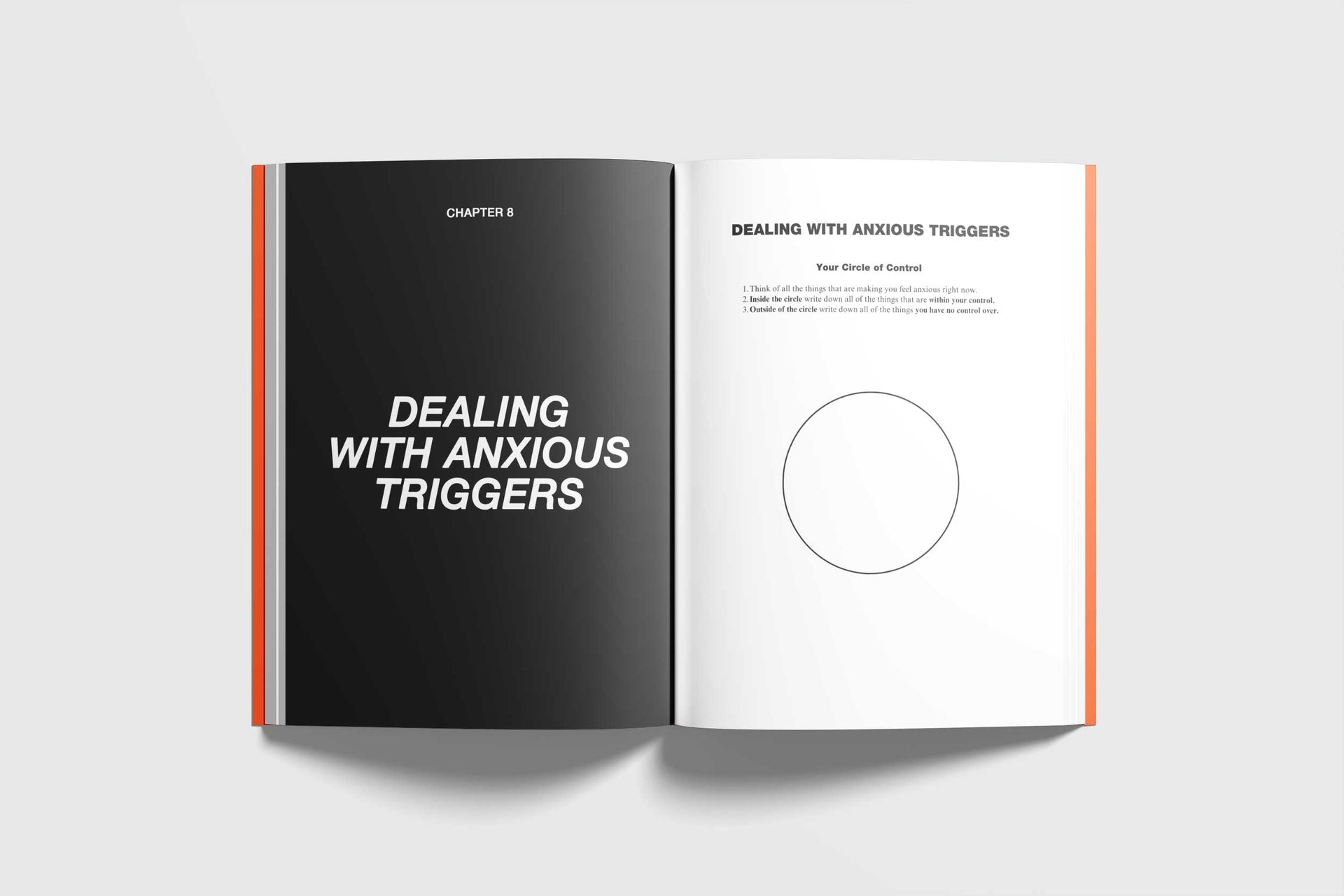
The journal’s Circle of Control exercise asks you to separate what you can influence from what you cannot.
You can choose what you say, which plans you keep and what you agree to. You cannot choose someone else’s response.
For a cancelled plan, that could mean saying you’re disappointed, asking for more reliable arrangements and deciding how to spend your evening.
You can also notice whether the other person listens and follows through.
Your needs still matter when you can’t guarantee the answer.
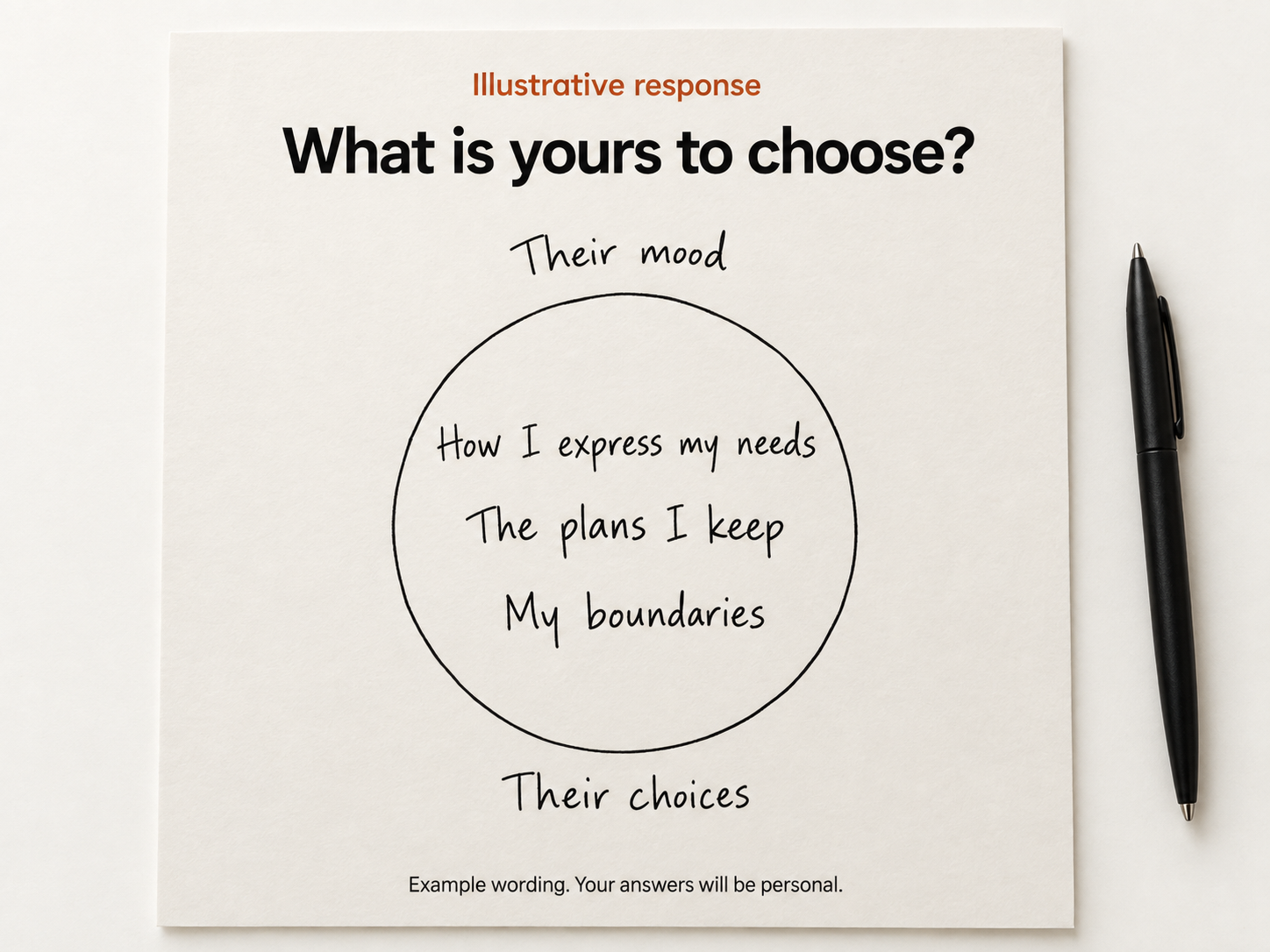
Publisher preview: the Circle of Control exercise. The example response that follows was created to explain the activity. See the journal
Put what you need into words
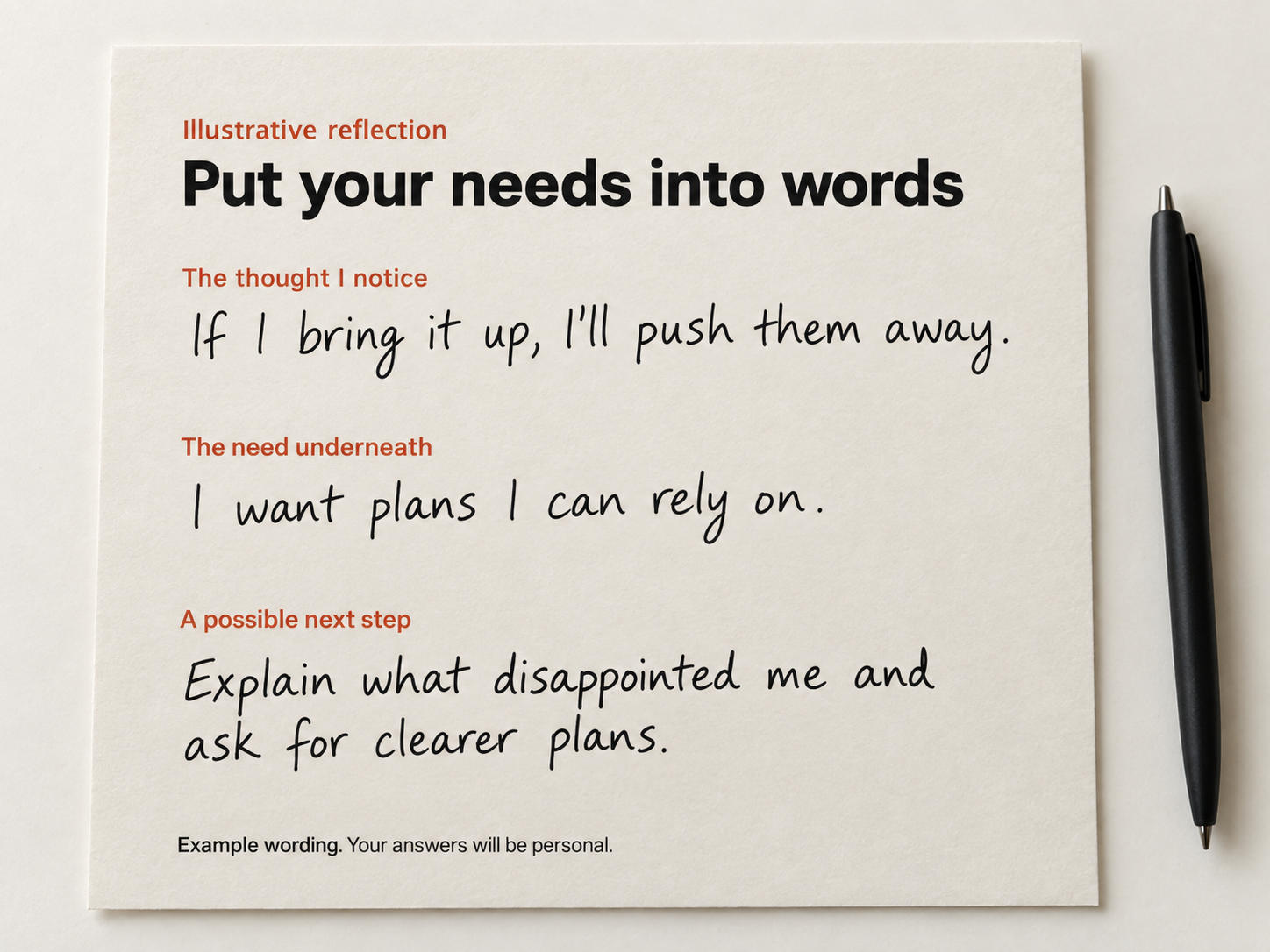
The journal also includes reflection on recurring thoughts. One might be: “If I bring this up, I’ll push them away.”
Once it’s on paper, you can examine it. What happened? What are you assuming? What would you like the other person to understand?
A conversation could begin with:
“I was looking forward to seeing you. Could we choose a time we can both keep?”
Psychotherapist Nicole Schiener puts it simply:
“They don’t always know when you feel overwhelmed, lonely, or underappreciated unless you tell them.”
Notice what keeps repeating
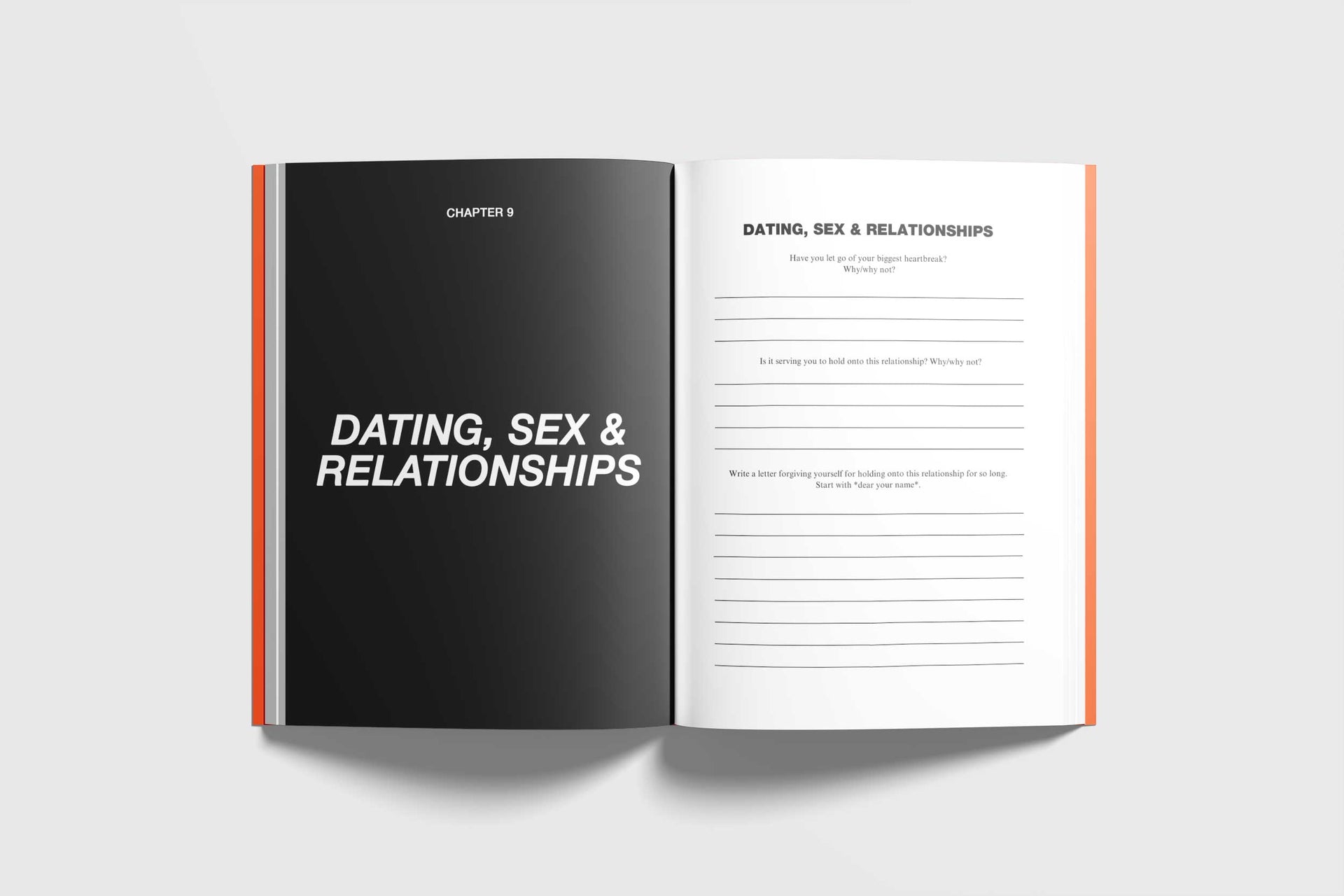
The relationship-reflection pages invite you to consider what you’re holding onto and whether it still serves you.
Perhaps you keep agreeing before checking what you want. Perhaps your own plans are always the easiest ones to cancel.
Choose one small response to practise. “Let me check my plans” gives you time to consider your preference before agreeing.
That’s a useful way to apply an insight: connect it to a choice you can make.
You can explore these patterns while single, dating or in a relationship.
Publisher preview: relationship-reflection questions and space to write. See the journal
Customer Reviews
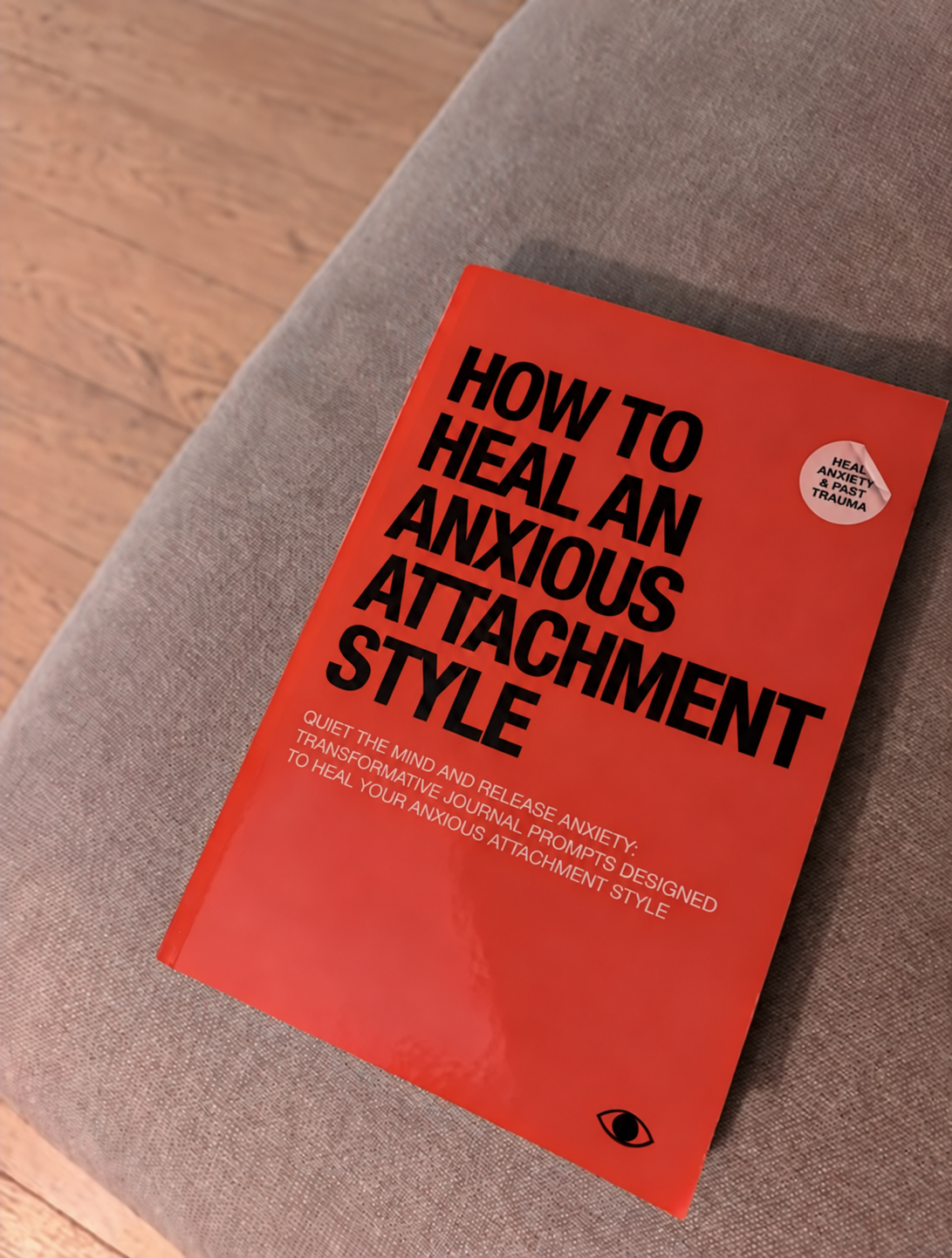
Amazing! I wish I read it sooner!
“Genuinely amazing book — it’s one thing to learn about attachment styles but it’s so important to put it into practice. This book has all you need to do just that: not just theory, but exercises that work. If you’re struggling with your attachment style and want to genuinely fix your relationships, this book will legitimately change your life. Can’t recommend it enough!!”
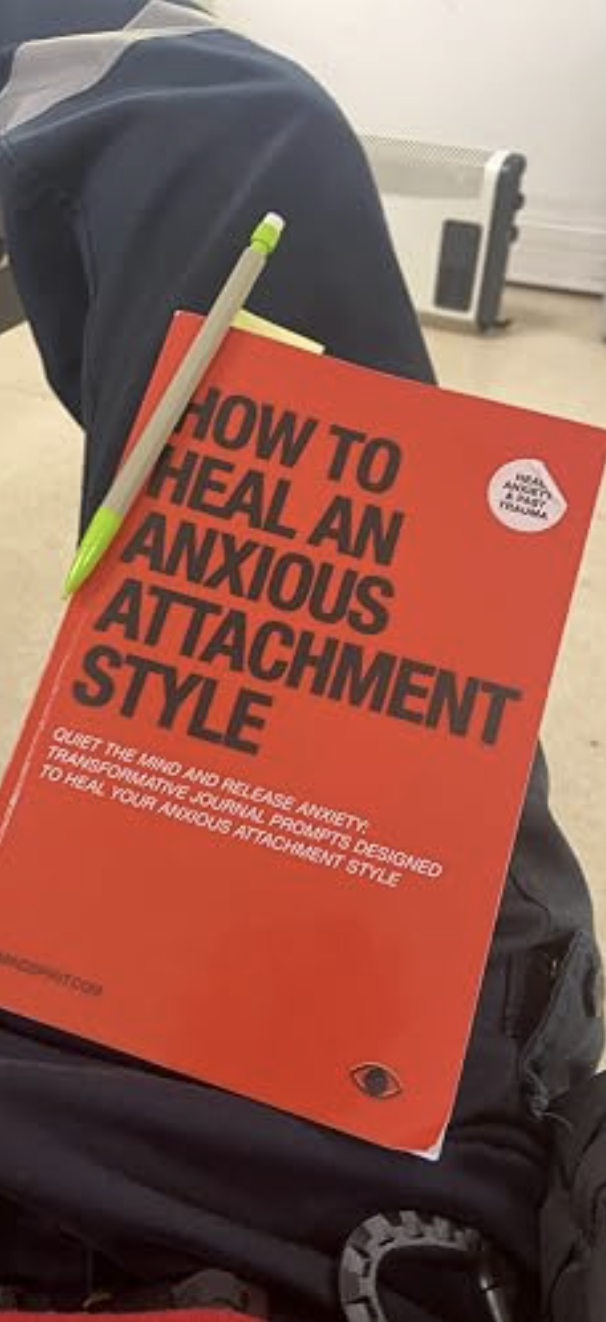
Comprehensive and easy to follow

“I am a third of the way through and it is helping me find the strength within me.”

I’m learning that my needs matter, too
“It really opened my eyes to how often I was putting my own needs aside just to keep the peace. The questions helped me put feelings into words that I’d struggled to explain.”
Give your needs a voice before you say “it’s fine” again.
I’d start by giving yourself somewhere to say what you really mean, before worrying about how someone else might take it.
That’s the value of the 150+ prompts and exercises in How to Heal an Anxious Attachment Style. Its six shadow work chapters give you questions to explore what you’ve learned to accept, what you leave unsaid and the beliefs behind those choices.
Take the Circle of Control exercise. You can choose how you express disappointment, which plans you keep and what you agree to. You can’t choose someone else’s response.
Start with one question that feels relevant. Write the answer you might normally soften. Then consider one small choice that takes your needs seriously.
Picture feeling secure enough to be yourself.
You’re out with a friend, laughing and enjoying the conversation. Your phone stays in your bag. You’ve kept your plans, and you’re glad you came.
Later, you tell your partner something bothered you. You say what you mean without immediately apologising or taking it back. You trust yourself to speak honestly and notice whether you’re being heard.
Time apart leaves room for things you enjoy. A disagreement doesn’t mean abandoning your opinion. You can love someone deeply while keeping your friendships, your plans and your own voice.
That’s the kind of security worth working towards: being close to someone while still feeling like yourself.
If you’re wondering where to begin, take a look inside the journal. There may be a question waiting there that you’ve never given yourself the space to answer.

How to Heal an Anxious Attachment Style
You’ve spent time trying to understand the person you love. These pages give you somewhere to start understanding yourself, too.